
The Best Time to Dive the Maldives for Whale Sharks & Mantas


September, 2025
The Maldives archipelago represents the ultimate diving destination for those seeking encounters with magnificent marine megafauna. Situated in the heart of the Indian Ocean, this nation of 26 atolls offers year-round diving opportunities, but understanding the seasonal patterns is crucial for maximizing your chances of swimming with whale sharks, manta rays, and other spectacular creatures. The secret to unlocking these underwater wonders lies in understanding how the monsoon seasons dictate both animal behavior and diving conditions throughout the atolls.
Whether you're dreaming of gliding alongside gentle whale sharks or witnessing massive manta ray feeding aggregations, this comprehensive seasonal guide will help you plan your Maldivian diving adventure at the perfect time for your preferred marine encounters. We'll explore how the shifting monsoons create different diving experiences across the atolls each month, providing you with the knowledge needed to time your visit for optimal megafauna sightings.


Understanding the Maldives' Monsoon Patterns
The Maldives experiences two distinct monsoon seasons that dramatically influence diving conditions and marine life behavior. Located just north of the equator, the archipelago enjoys consistently warm water temperatures (27-30°C/81-86°F) throughout the year, but the changing monsoons create markedly different underwater environments .
Northeast Monsoon (December-April)
During the dry season, winds blow from the northeast, bringing calm seas, excellent visibility (often reaching 30-40 meters), and predictable weather patterns. This period is considered ideal for beginner divers and underwater photography enthusiasts due to the superb visibility and generally milder currents. However, the nutrient-rich upwellings that attract large concentrations of filter feeders are less common during these months .
Southwest Monsoon (May-November)
The wet season features winds blowing from the southwest, creating stronger currents, increased plankton activity, and more dynamic diving conditions. While visibility may decrease (15-25 meters) due to plankton blooms, this abundance of nutrients attracts enormous numbers of manta rays and whale sharks to feeding areas. This season offers the most exciting pelagic action but requires more advanced diving skills due to stronger currents .
Maldives Monsoon Seasons Comparison
| Aspect | Northeast Monsoon (Dec-Apr) | Southwest Monsoon (May-Nov) |
|---|---|---|
| Visibility | 25-40 meters | 15-25 meters |
| Sea Conditions | Calm | Rough to moderate |
| Currents | Mild to moderate | Strong to very strong |
| Plankton Levels | Lower | Higher |
| Best For | Beginners, photography | Advanced divers, pelagic encounters |
Month-by-Month Diving Guide
January - February: Peak Visibility Season
The peak dry season offers exceptional conditions with visibility reaching 35-40 meters and calm seas. While pelagic activity is less pronounced than during the wet season, encounters with reef sharks, turtles, and occasional manta rays are still common. These months are perfect for photographers and beginner divers seeking comfortable conditions . The western sides of atolls typically offer the best diving during these months as mantas and whale sharks follow plankton concentrations "downwind" of the northeast monsoon .
March - April: Transition Period
As the monsoon transition begins, conditions remain generally excellent with good visibility (25-35 meters) and increasing marine life activity. April marks the beginning of manta ray movements toward eastern cleaning stations as the water currents begin to shift. These months offer a wonderful balance of good visibility and increasing megafauna encounters, making them an ideal time for visitors seeking the best of both worlds .
May - July: Manta Magic Begins
The southwest monsoon establishes itself, bringing stronger currents and increased plankton that attract magnificent manta ray congregations to cleaning stations. May through November is considered peak manta season, with particularly strong activity in May-June. Key manta sites include Hanifaru Bay in Baa Atoll (famous for its feeding frenzies), Lankan Manta Point in North Male Atoll, and Fesdhoo Lagoon in Ari Atoll . Visibility decreases (20-25m) but the incredible wildlife spectacles more than compensate for reduced clarity.
August - September: Whale Shark Peak
These months offer the highest probability of encountering the ocean's largest fish—the magnificent whale shark. Plankton blooms during the peak monsoon attract these gentle giants to feed near the surface, particularly in the South Ari Atoll Marine Protected Area . Currents can be very strong during this period, requiring advanced diving skills. The eastern sides of atolls typically offer the best encounters as whale sharks follow the plankton "downwind" of the southwest monsoon .
October - November: Transition to Dry Season
As the monsoon transitions back to northeast patterns, conditions gradually improve with better visibility (20-25m) while maintaining excellent whale shark and manta ray sightings. November marks the end of the peak season for these filter feeders, but encounters remain common. These months offer increasingly comfortable surface conditions while still providing fantastic opportunities for megafauna encounters, making them an excellent value season for divers .
December: Return to Calm Conditions
The northeast monsoon reestablishes itself, bringing back calmer seas and improving visibility (30-35m). While the massive aggregations of filter feeders diminish, sightings still occur regularly. December offers wonderful conditions for exploring the western sides of atolls again, where manta rays and whale sharks relocate to follow the plankton concentrations .
Calendar: Seasonal Marine Life Highlights
| Month | Visibility | Key Species | Best Atolls |
|---|---|---|---|
| Jan-Feb | Excellent (35-40m) | Reef sharks, turtles | North Male, Ari |
| Mar-Apr | Very Good (25-35m) | Manta rays (increasing) | Ari, Baa |
| May-Jul | Good (20-25m) | Manta rays (peak) | Baa, North Male |
| Aug-Sep | Fair (15-20m) | Whale sharks (peak) | South Ari |
| Oct-Nov | Good (20-25m) | Whale sharks, mantas | South Ari, Laamu |
| Dec | Very Good (30-35m) | Reef sharks, mantas | North Male, Ari |
Regional Atoll Variations: Where to Dive Each Season
The Maldives' extensive atoll system creates regional variations in diving conditions and marine life occurrences. Understanding these geographical differences will help you select the right atoll for your travel timing and megafauna preferences.
South Ari Atoll: Whale Shark Central
South Ari Atoll is arguably the Maldives' premier destination for year-round whale shark encounters, thanks to the South Ari Marine Protected Area (SAMPA) established to protect these gentle giants . The area around Maamigili Reef and Dhigurah Island offers consistent sightings regardless of season, though encounters are most frequent from August to November . During the southwest monsoon (May-November), whale sharks tend to congregate around the eastern islands like Dhigurah, while they move westward during the dry season .
Baa Atoll: Manta Spectacle
Baa Atoll is a UNESCO Biosphere Reserve famous for its spectacular manta ray gatherings, particularly at Hanifaru Bay. From May to early October, this small bay hosts one of the planet's most incredible marine spectacles as hundreds of mantas (sometimes joined by whale sharks) engage in feeding frenzies . The southwest monsoon (particularly July-October) offers the most dramatic sightings, though manta rays can be found in Baa Atoll throughout the year at cleaning stations like Dharavandhoo Corner .
Manta Ray Maldives LiveaboardNorth Male Atoll: Accessibility and Diversity
North Male Atoll offers excellent accessibility from the international airport along with diverse diving opportunities. Sites like Lankan Manta Point come alive during the southwest monsoon (May-November) with regular manta ray visits to cleaning stations . During the dry season, the atoll offers wonderful visibility and conditions for reef diving, with regular sightings of eagle rays, reef sharks, and turtles .
🐳 Swim with Whale Sharks Maldives & Manta Ray Season Meemu Atoll 2025 Guide
Discover MoreSouthern Atolls: The Frontier Experience
The southern atolls (including Huvadhoo, Fuvahmulah, and Addu) offer a more remote, adventurous diving experience with different seasonal patterns. These areas have been dubbed the "Galapagos of the East" for their rich biodiversity and unique encounters, including oceanic manta rays, hammerhead sharks, and even tiger sharks . Fuvahmulah's Farikede Faru is particularly famous for its oceanic manta ray encounters between March and April . The southern atolls generally experience less seasonal variation in water conditions than the central atolls, offering good year-round diving.
Deep South ExplorerDiving Preparation and Practical Tips
Safety Considerations
Diving in the Maldives requires attention to safety, particularly during the southwest monsoon when strong currents can present challenges. Always listen carefully to dive briefings, ensure you have appropriate experience for the conditions, and dive within your limits . Each diver should carry a surface marker buoy (SMB), whistle, and torch for safety . Consider hiring a local guide who understands the complex current patterns and animal behavior.
Equipment Recommendations
-
Surface marker buoy: Essential for safety in currents and to alert boats to your position
-
Reef hooks: Useful for maintaining position in strong currents during pelagic encounters
-
Dive computer: Important for monitoring depth and time, especially during drift dives
-
Underwater camera: You'll want to capture the incredible megafauna encounters
Mantas & Whale Shark Photography Guide
-
Wetsuit: Although waters are warm, a 3mm wetsuit provides protection from jellyfish and coral
Conservation Practices
When diving with megafauna, practice responsible wildlife interactions:
-
Maintain a respectful distance 3 meters from mantas, 4 meters from whale sharks
-
Avoid touching marine life
-
Do not use flash photography on whale sharks
-
Choose operators who follow responsible guidelines
-
Support conservation efforts through organizations like the Marine Megafauna Foundation
Booking Considerations
-
Liveaboards: The best way to access multiple atolls and remote sites; book 6-12 months in advance for peak seasons
-
Resort stays: Combine diving with luxury; often have house reefs for easy access diving
Best Dive Resorts
-
Local island guesthouses: More affordable option with cultural immersion; operators like Whale Shark Boutique Hotel on Fenfushi Island offer specialized megafauna experiences
Best Local Islands for Divers
-
Seasonal pricing: Rates are highest during dry season (Dec-Apr); low season (May-Nov) offers better value
🌤️💰 Maldives in Monsoon: Why June, July & September Might Be Your Best Bet
Discover MoreConclusion: Year-Round Diving Paradise
The Maldives truly offers world-class diving throughout the year, with each season presenting unique advantages for megafauna encounters. Rather than searching for a single "best time" to visit, consider what experiences matter most to you:
-
For optimal visibility and calmer conditions: January-April
-
For manta ray concentrations: May-November (peak July-October)
-
For whale shark encounters: Year-round in South Ari, with highest probability August-November
-
For value and fewer crowds: May-July and October-November
Maldives Liveaboard Budget Guide
The magic of diving in the Maldives lies in understanding how the monsoon patterns shape the underwater world. By aligning your visit with the seasonal movements of plankton and the magnificent creatures that follow it, you can experience some of the most spectacular marine encounters on Earth.
Whether you're watching manta rays perform graceful ballets at cleaning stations, swimming alongside the ocean's gentle giant whale sharks, or drifting through channels surrounded by hunting predators, the Maldives' atolls offer unforgettable moments that will leave you transformed forever.
☀️🦈 Maldives Month-by-Month Guide: Best Atoll for Dry Season, Manta Rays & Whale Sharks
Discover MoreReady to plan your Maldivian megafauna adventure? Use this seasonal guide to select the perfect time for your dream encounters, and remember that regardless of when you visit, the underwater wonders of these magical atolls will undoubtedly exceed your expectations.
Book Maldives Liveaboards🐳🪸🦈 Beyond the Bungalow: Choose Your Maldives Atoll by Marine Life (Whale Sharks vs. Mantas)
Discover MoreRelated Stories:
- Liveaboard Special Offers, Last Minute Deals
- Maldives Liveaboard Cost Breakdown: Hidden Fees Exposed (2025)
- 10 Best Liveaboards
- Luxury or Budget Maldives Liveaboard? Where to Splurge & Save (With Examples)
- Northern Atolls Maldives: Dive Untouched Pinnacles & Shark Havens
- Maldives vs Indonesia Liveaboard diving
- The Ultimate Maldives Liveaboard Guide

2025 Maldives Resort Trends: What’s New for Multi-Generational Travel?
New Openings & Multi-Generational Family Travel Guide
Read More
Best Maldives Resort Offers & Packages
Find out more about the most unparalleled Maldives hotel deals and special rates, when Book Direct your next beach holiday
Read More
Maldives Hotel Reviews
Some of the best hotels and resorts in the Maldives are already included in this list, and the good part of them offers the best prices. We will constantly add new hotels
Read More
Maldives First Time Visitor Guide: Essential Tips & Insight
Welcome to our comprehensive guide for first-time visitors to the Maldives!
Read More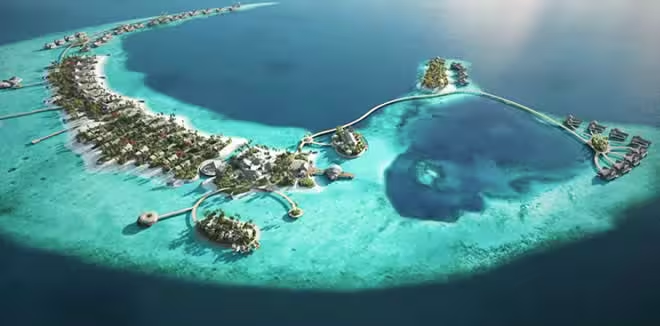
The Most Anticipated Openings in the Maldives 2025/26
Dive in to explore what makes these luxury Maldives openings 2025/26 so special
Read More
Maldives Liveaboards Guide: Itineraries, Tips & Best Boats
Plan your Maldives liveaboard trip with our expert guide! Compare itineraries, costs, and boats.
Read More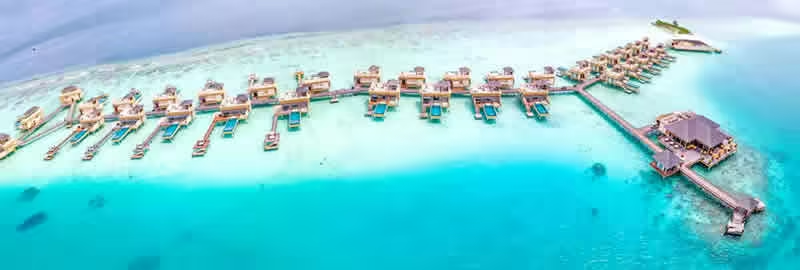
Maldives Luxury Guide
Here's the best of Maldives for luxury travellers. We've compiled the finest recommendations of places to stay, ranging from the most celebrated five-star resorts to luxurious private islands Read More

Maldives Romantic Guide
The ultimate ‘flop and drop' and honeymoon destination, the Maldives is the playground for the most amazing and finest utilization of each second of this extremely valuable and hopeful time with each other in tota Read More

Maldives Budget Guide
Budget travellers choose Maldives as their destination of choice thanks to the variety of affordable stays Read More

Maldives Family Guide
Maldives - a name that became synonymous with honeymooners' paradise in the tourism world, has slowly Read More

Maldives Diving Guide
The life of these paradise islands below the Indian Ocean's level is the main draw attracting thousands of divers Read More