
Maldives Cave Diving Tragedy: The Full Story and the Reasons Behind the Disaster





17 May, 2026
Deep below the turquoise waves of the Maldives lies a tragedy that has sent shockwaves through the global diving community. In May 2026, five experienced Italian divers perished inside an underwater cave system in Vaavu Atoll, marking what officials have called the deadliest single diving accident in the country's history. In a desperate attempt to recover them, a Maldivian rescue diver also lost his life. As investigations continue, we piece together the events, the emerging theories, and the critical safety lessons from this heartbreaking disaster.
The Incident: A Dive Gone Wrong
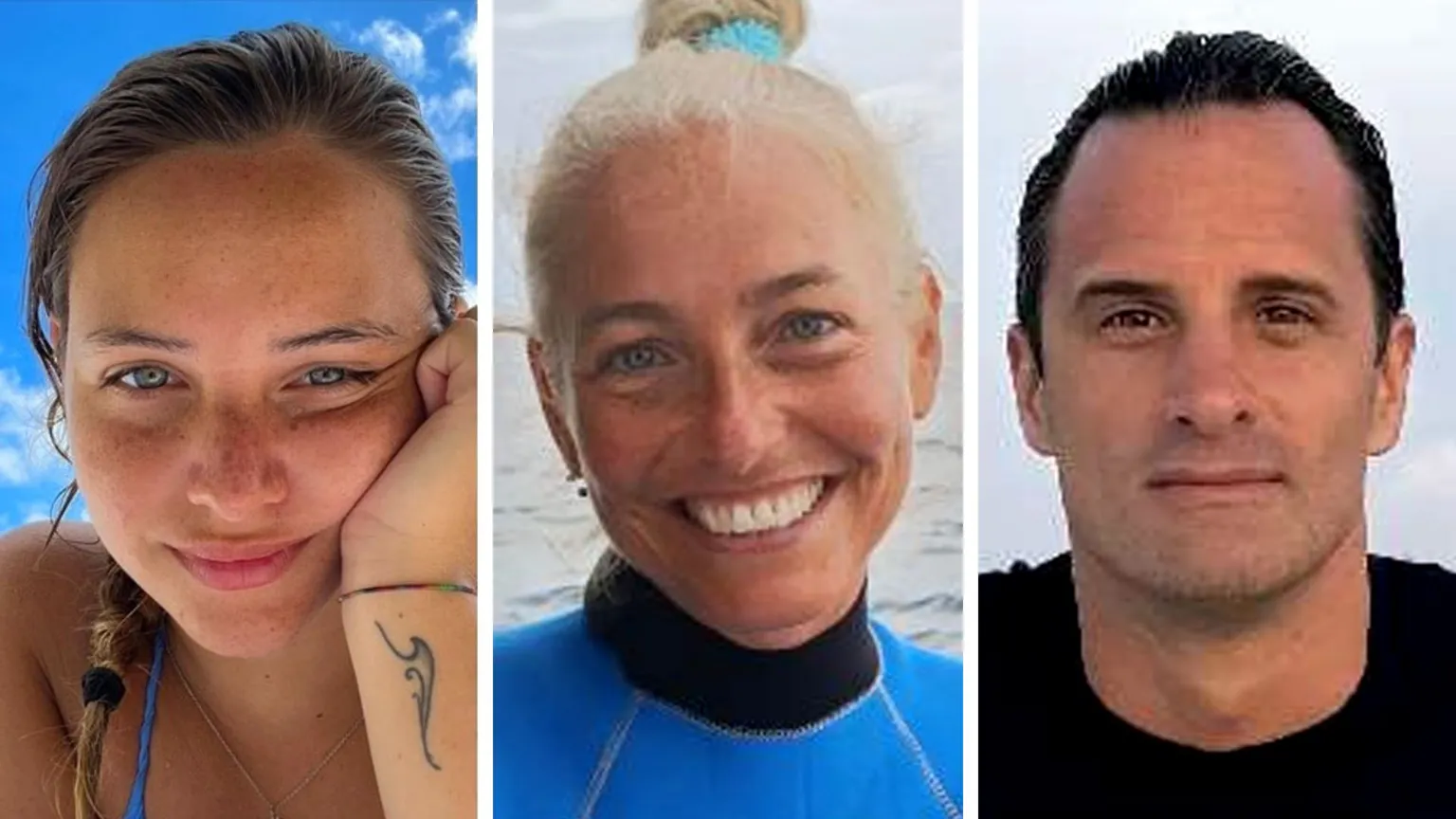
On May 14, 2026, a group of five Italian divers embarked on a trip to explore an underwater cave system in the Maldives' Vaavu Atoll. The group consisted of marine biology professor Monica Montefalcone (51), her daughter Giorgia Sommacal (23), researcher Muriel Oddenino (31), recent graduate Federico Gualtieri (31), and diving instructor Gianluca Benedetti. They were part of a larger scientific cruise aboard the liveaboard yacht MV Duke of York, which was focused on studying climate change's effects on marine biodiversity through coral sampling.
When the group failed to surface as scheduled at 1:45 PM, a search operation was launched. Benedetti’s body was found that evening near the entrance of Thinwana Kandu (Dhekunu Kandu), also known as Shark Cave, at a depth of about 60 meters. The bodies of the other four were discovered days later by a team of Finnish deep-cave rescue specialists, clustered together in a dead-end passage of the cave’s deepest section.
The tragedy deepened when Maldivian military diver Staff Sergeant Mohamed Mahdhee died during the initial recovery effort, bringing the total death toll to six. The Maldives government later suspended the operating license of the MV Duke of York to facilitate the investigation.
Why Did the Maldives Cave Diving Tragedy Happen? The Leading Theories
Experienced cave divers and investigators agree that catastrophic accidents rarely stem from a single cause. Instead, they are typically the result of a chain of events and failures. The Maldives tragedy appears to fit this pattern, with a combination of environmental, procedural, and human factors at play.
⚡ Exceeding Safe Limits
A critical factor is that the divers ventured far beyond legal and safe boundaries. Maldivian law restricts recreational scuba diving to a maximum depth of 30 meters. The cave’s entrance was located at 55 to 58 meters, and the divers’ bodies were ultimately found at depths of up to 60 meters (approximately 200 feet). At such depths, using standard recreational equipment and compressed air shifts a dive from recreational to the much more demanding category of technical diving, which requires specialized gear, advanced gas mixtures like trimix, and rigorous training to mitigate risks like nitrogen narcosis and oxygen toxicity.
🧭 Disorientation in a Labyrinth
The most plausible theory, supported by the Finnish recovery team, is that the divers became lost. The cave system is a complex, three-chambered labyrinth with narrow, dark passages. Inside, visibility would have been severely limited as fine silt from the cave floor is easily disturbed.
Recovery teams and DAN Europe officials believe the divers likely mistook a dead-end tunnel for the correct exit path. This mistake may have been due to a deceptive "sand wall illusion," where a sandbank obscured the true route, making the exit appear as a solid barrier. Tragically, the divers are thought to have realized their error only after proceeding too far, depleting their breathing gas and energy while battling panic.
As rescue diver Sami Paakkarinen noted, "In most cave diving accidents, the main cause is always human error."
🧠 Physiological Peril: Nitrogen Narcosis & Panic
At depths beyond 40 meters, the increased pressure causes nitrogen in a diver’s breathing gas to act as a narcotic. This nitrogen narcosis can impair judgment, cause disorientation, and produce an often-described feeling of euphoria, leading divers to make irrational decisions without realizing it.
When the group realized they were lost, the situation likely spiraled into panic. In a confined overhead environment where a direct ascent to the surface is impossible, panic accelerates breathing, drastically increasing gas consumption and further clouding judgment, creating a deadly feedback loop.
🌊 Environmental Hazards: The "Venturi Effect"
The cave environment itself presented serious dangers. On the day of the dive, deteriorating weather and rough seas had stirred up the fine sediment on the cave floor, reducing visibility to near zero. Some experts have also suggested that strong currents flowing through the cave's narrow passages may have created a sudden, powerful suction, similar to a "Venturi effect," which could have pulled the divers deeper into the system despite their intentions.
However, the Finnish recovery team has pushed back on this theory, noting that their own observations indicated only gentle, predictable water movement within the cave.
🧪 Equipment & Gas Mix Questions
A key area of the investigation is whether the divers were equipped with appropriate gear for the extreme depth. While standard recreational scuba gear is designed for shallower depths, technical cave dives require redundant systems, including primary and backup lights, cutting tools, and multiple gas cylinders. Most critically, the divers reportedly lacked a diving reel or guideline rope. These essential tools are used to lay a physical line from the entrance, ensuring a diver can find their way back in zero-visibility conditions. Their absence strongly suggests the dive was not planned or executed with cave-diving protocols in mind.
Investigators are also examining the possibility of contaminated breathing gas or a gas mixture error that could have led to oxygen toxicity (hyperoxia). At extreme depths, the high concentration of oxygen in a tank can become toxic, causing dizziness, muscle twitching, and sudden loss of consciousness.
The Critical Missing Preparation: Understanding Overhead Environments
This tragic incident highlights the absolute requirement for specialized training, equipment, and a fundamentally different mindset when diving in "overhead environments."
Unlike open-water diving, where a direct ascent to the surface is always an emergency option, cave divers are physically separated from the surface by rock. This demands strict adherence to protocols like the "rule of thirds" for gas management (one-third for entry, one-third for exit, one-third for emergencies), continuous use of a guideline, and multiple independent light sources. Without these precautions, a simple navigation error can quickly become a fatal trap.
The Search for Answers
Maldivian and Italian authorities continue their joint investigation. All recovered equipment, including GoPro cameras worn by some of the divers, has been handed over to the police for forensic analysis. Autopsies are being conducted in Italy to help determine the exact physiological causes of death, which will be crucial in understanding the sequence of events. The investigation is also examining the role of the tour operator and the liveaboard vessel to determine if any regulatory violations occurred that could have contributed to the tragedy.
Final Thoughts
The Maldives cave diving tragedy is a devastating event that has profoundly impacted families in Italy, the local community in the Maldives, and the global diving world. While the final, definitive cause may not be known for months, the evidence strongly points to a tragic convergence of factors: a dive that exceeded safe depth limits, a complex and disorienting overhead environment, inadequate equipment and planning, and the overwhelming physiological and psychological stress of panic.
For the diving community, this disaster serves as a solemn and powerful reminder that the ocean, for all its beauty, demands the highest respect and uncompromising adherence to safety principles. For travelers, it underscores the critical importance of verifying safety standards, staying within the limits of one’s training, and never underestimating the risks associated with extreme environments like underwater caves. Our deepest condolences go out to the families and loved ones of all six victims.
Disclaimer: This article is based on preliminary information and emerging theories from official investigations and expert analysis. The conclusions are subject to change as more evidence is gathered and reviewed.
Related pages
- Five Italian Divers Die During Cave Exploration Dive in Vaavu Atoll, Maldives
- Liveaboard Special Offers, Last Minute Deals
- North Malé Atoll Scuba Diving & Watersports: 10 Luxury Resorts Compared
- Most Popular Maldives Resorts for Divers
- Advanced Drift Diving in Vaavu Atoll & Nurse Shark Night Dives
- The Ultimate Guide to Scuba Diving in the Maldives


Scuba Diving in the Maldives
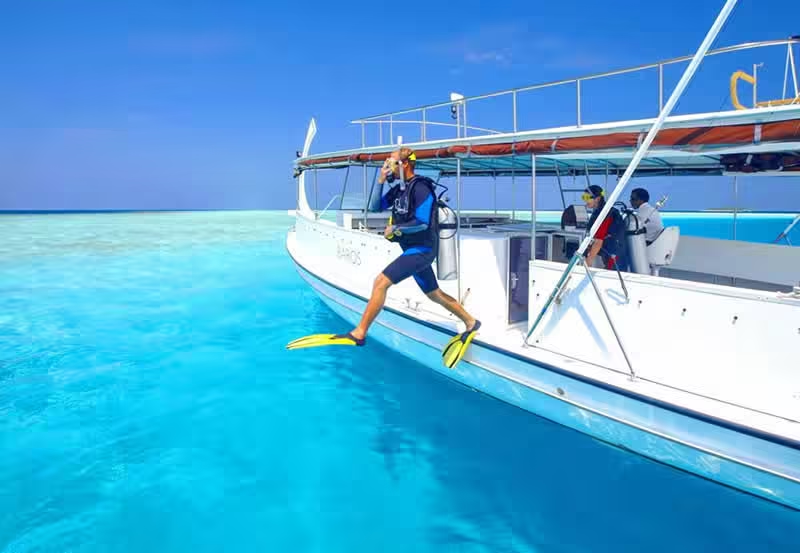
Scuba diving in the Maldives means diving at one of the worlds best scuba diving destinations, because of the white sand beaches, coral reefs, clear warm waters, dive sites and a thriving and vibrant marine life. Explore excellent dive sites and a collection of underwater gardens. They're abundant with extensive coral reefs and magnificent fish life. It's common to see sharks, turtles, manta rays, whale sharks and a kaleidoscopic range of tropical sea creatures.
Read More
2025 Maldives Resort Trends: What’s New for Multi-Generational Travel?
New Openings & Multi-Generational Family Travel Guide
Read More
Best Maldives Resort Offers & Packages
Find out more about the most unparalleled Maldives hotel deals and special rates, when Book Direct your next beach holiday
Read More
Maldives Hotel Reviews
Some of the best hotels and resorts in the Maldives are already included in this list, and the good part of them offers the best prices. We will constantly add new hotels
Read More
Maldives First Time Visitor Guide: Essential Tips & Insight
Welcome to our comprehensive guide for first-time visitors to the Maldives!
Read More
The Most Anticipated Openings in the Maldives 2025/26
Dive in to explore what makes these luxury Maldives openings 2025/26 so special
Read More
Maldives Liveaboards Guide: Itineraries, Tips & Best Boats
Plan your Maldives liveaboard trip with our expert guide! Compare itineraries, costs, and boats.
Read More
Maldives Luxury Guide
Here's the best of Maldives for luxury travellers. We've compiled the finest recommendations of places to stay, ranging from the most celebrated five-star resorts to luxurious private islands Read More

Maldives Romantic Guide
The ultimate ‘flop and drop' and honeymoon destination, the Maldives is the playground for the most amazing and finest utilization of each second of this extremely valuable and hopeful time with each other in tota Read More
Maldives Budget Guide
Budget travellers choose Maldives as their destination of choice thanks to the variety of affordable stays Read More

Maldives Family Guide
Maldives - a name that became synonymous with honeymooners' paradise in the tourism world, has slowly Read More

Maldives Diving Guide
The life of these paradise islands below the Indian Ocean's level is the main draw attracting thousands of divers Read More